

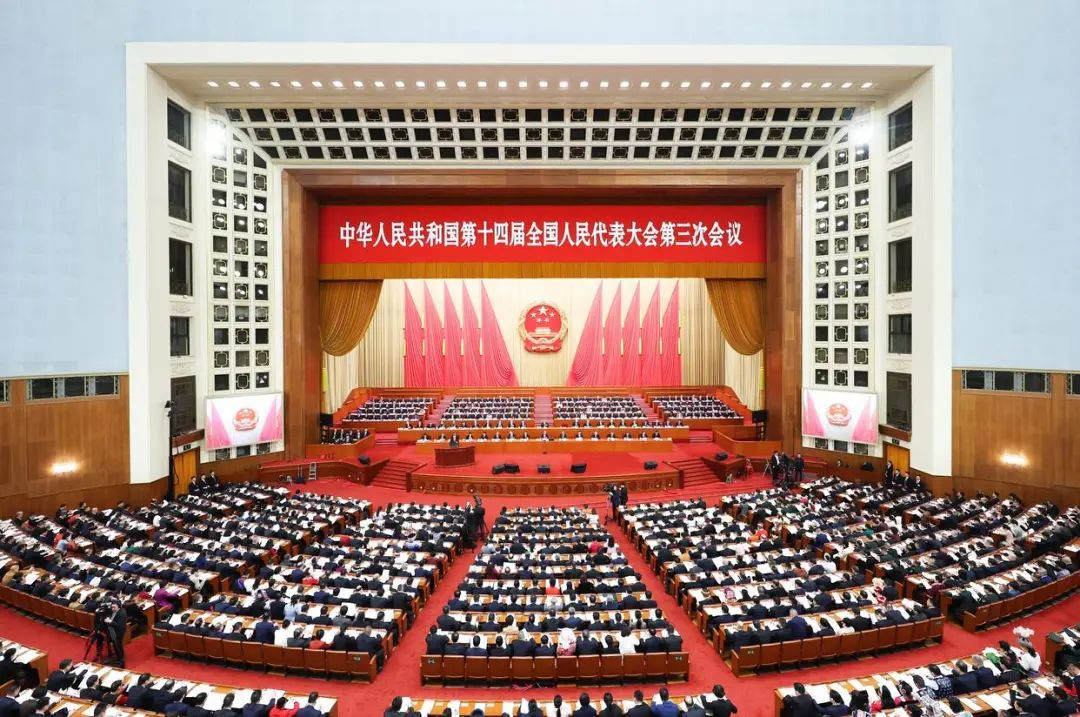
Since 2019, the hydrogen energy proposal at the National Two Sessions has become one of the key topics of concern within the industry. Over the years, the proposals and opinions on hydrogen energy at the Two Sessions have basically reflected the issues that the industry was most concerned about at that time. Therefore, the "hydrogen voices" at the Two Sessions over the years also reflect the development changes and core issues of the industry: In 2019, a large number of automakers took sides to speak out and promote the development of the fuel cell vehicle industry; From 2020 to 2021, energy enterprises joined in to discuss the development challenges of the hydrogen industry chain, focusing on the development of green hydrogen and the implementation of the hydrogen energy industry. The focus in 2022 is on the national top-level design and the implementation of demonstration city clusters. In 2023, strengthening the industrial supervision system, enhancing support for green hydrogen, and expanding the application scope have become the key focuses. In 2024, the focus will be on four major areas: expanding the application of green hydrogen, expanding demonstration city clusters, strengthening top-level design, and building an industrial ecosystem.
As of the time of publication, the "hydrogen voices" of the representatives at the 2025 National Two Sessions that have been made public are still relatively few. Among them are several "old friends" who spoke out for hydrogen energy at previous Two Sessions, such as Zhang Guoqiang of Yihua Tong, Zhong Baoshen of Longi, and Zhang Tianren of Tianneng.
According to the opinions of the representatives of the Two Sessions as tallies by Hydrogen Cloud Chain, compared with previous years, the contents such as breaking through core technologies, expanding application scenarios, strengthening policy support, and accelerating infrastructure construction are still retained. However, the "hydrogen voice of the Two Sessions" in 2025 still has three characteristics:
Stage recognition: Reaching global leadership, being in the early stage of development, and requiring policy support
Zhang Guoqiang and other representatives all believe that currently, China's hydrogen energy industry has taken the lead globally in multiple links, such as the scale of hydrogen vehicle industry and hydrogen, ammonia and alcohol technology, and is a representative of new quality productivity. However, the industry as a whole is still in its early stage and requires strong policy support.
2. Policy Formulation: Continuity, green hydrogen subsidies and Subsidy Implementation
Hydrogen energy remains a policy-driven industry. In addition to common policy recommendations, the continuity of industrial policies, the formulation of subsidies for the hydrogen production end, and the implementation of subsidy policies have become highlights.
Policy continuity. The "policy gap period" is regarded as an important reason for the hydrogen vehicle market falling short of expectations in 2024. Representatives such as Zhang Guoqiang and Xue Jiping proposed to enhance the continuity and stability of industrial policies.
Formulate subsidies for the hydrogen production end. Several representatives mentioned reducing the cost of hydrogen production through subsidies or preferential electricity prices.
Ensure the implementation of subsidies. After 2024, Zhang Guoqiang once again expressed the opinion of "timely distribution of award and subsidy funds", and Zhang Tianren also mentioned the suggestion of "ensuring the implementation of subsidy policies".
3. Industrial Construction: Emphasizing practical application, hydrogen supply network construction, and standard unification
The promotion of practical applications and the construction of hydrogen supply networks are perennial topics. This year's feature is that the proposals are more detailed.
In terms of practical application, the direction has become more explicit. For instance, Zhang Guoqiang, CAI Rui and others suggest promoting high-speed hydrogen demonstration, while Zhong Baoshen, Li Wenhui and others propose focusing on the development of green hydrogen-based fuels such as ammonia and alcohol.
In terms of the hydrogen supply network, unifying the approval standards for hydrogen refueling stations has become a key point, and it is proposed to accelerate the promotion of high-pressure hydrogen storage and transportation as well as the construction of hydrogen transmission pipelines.
In terms of industrial standards, emphasis is placed on unifying standards across all regions.
From the changes in the focus of the proposals made by national representatives, it can be seen that the domestic hydrogen energy industry has made considerable progress and achieved excellent results. However, high costs, incoherent policies, and inconsistent standards have become the key factors that currently hinder the establishment of market expectations for hydrogen energy and the rapid expansion of the industrial market scale. Based on the suggestions of all the representatives, Hydrogen Cloud Chain believes that the key to breaking the deadlock lies in introducing continuous policies to reduce industrial costs and raise industry expectations, and in accurately grasping core scenarios to expand the market scale.
The following is the speech situation of all the representatives.
Zhang Guoqiang, a deputy to the National People's Congress and the chairman of Yihua Tong
Zhang Guoqiang believes that as the hydrogen energy industry progresses in depth, it will face new problems, which are specifically manifested in four aspects:
First, the first round of fuel cell vehicle demonstrations is coming to an end, and market and capital funds are beginning to wait and see. The hydrogen energy industry is facing financing difficulties, especially for private enterprises. Second, the pressure of advance payment of funds in the industrial chain is huge, and the proportion of accounts receivable of enterprises is generally high, making it difficult for enterprises to operate. Thirdly, the guarantee capacity of high-purity hydrogen for vehicles is insufficient. Although the total number of hydrogen refueling stations built in China ranks first in the world, the coverage density is insufficient. Fourth, the industry scale is small, making it difficult to support the sustainable development of the hydrogen energy industry. The annual promotion volume of fuel cell vehicles is less than 10,000 units, and their application in energy storage, power generation, industry and other fields is still in its early stage, making it difficult to support the sustainable development of the hydrogen energy industry.
Zhang Guoqiang put forward suggestions for the sustainable development of the hydrogen energy industry from five aspects
The first is to increase support for the financing and development of private enterprises in the industrial chain. Support the use of national medium and long-term Treasury bonds for technological research and development and daily operations of private enterprises, and support various investment institutions in setting up investment funds mainly targeting private enterprises in the hydrogen energy field. Support financial institutions in providing innovative credit products, special bonds and guarantees and other financial services to private enterprises in the hydrogen energy sector.
Second, improve the mechanism for the distribution of award and subsidy funds and disburse them in a timely manner.
Third, create a low-cost hydrogen supply guarantee to support the sustainable development of the hydrogen energy industry. It is suggested that hydrogen production technology routes be selected based on local conditions, and a multi-channel, stable and economical diversified hydrogen supply system be gradually established. The exploration of economic, efficient and safe hydrogen storage and transportation technologies should be actively encouraged.
Fourth, carry out demonstration applications of hydrogen energy in expressways and other transportation fields. It is suggested to strengthen the top-level design of hydrogen energy expressway demonstrations across the country, and make overall plans for the demonstration routes of hydrogen energy expressways and hydrogen supply nationwide. At the same time, it is suggested to encourage the demonstration of fuel cell passenger vehicles. Promote the pilot application of heavy-duty fuel cell non-road mobile machinery around logistics and industrial parks. Encourage the expansion of demonstration applications of fuel cells in scenarios such as rail transit, ships, low-altitude areas, and aerospace.
The fifth is to promote diversified demonstration applications of hydrogen energy in industries, power and other fields. It is suggested to encourage pioneering trials, create a diverse hydrogen consumption ecosystem, actively carry out commercial promotion in the fields of energy storage and power generation, and gradually explore alternative applications in the fields of metallurgy and chemical engineering.
Xue Jiping, a National People's Congress representative and the chairman of Zhongtian Technology
Xue Jiping believes that the two major problems currently faced by the hydrogen energy industry are as follows: On the one hand, the continuity and stability of hydrogen energy-related policies are insufficient, and the standard system construction for hydrogen energy is still not complete, which leads to a lack of market confidence; On the other hand, the manufacturing cost of green hydrogen remains high, market demand is insufficient, and acceptance is low.
To further promote the high-quality development of the hydrogen energy industry, Xue Jiping put forward three suggestions:
The first is to introduce transitional policies as soon as possible. The demonstration city cluster for fuel cell vehicles is set to expire by the end of 2025, while the development of hydrogen energy is still in its early stages. It is suggested that relevant departments formulate and introduce connection policies as soon as possible to ensure the sustained and stable development of the industry. For instance, the existing "reward instead of subsidy" policy can be continued or optimized. Based on the actual situation of industrial development, the reward standards and conditions can be adjusted to encourage more cities and enterprises to participate in the demonstration application of fuel cell vehicles, further accelerating the production of fuel cell vehicles and the construction of hydrogen refueling infrastructure.
The second is to provide appropriate subsidies for hydrogen production at the source. The main factors influencing the high cost of green hydrogen are electricity prices and production equipment. With the advancement of industry competition and technology, the costs of key equipment such as electrolyzers and storage and transportation facilities have been decreasing year by year, providing the possibility for green hydrogen to replace traditional energy sources in the future. At present, the government can introduce subsidy policies, with a focus on the hydrogen production end. Directly providing cost subsidies to green hydrogen production enterprises will become the key to reducing the production cost of green hydrogen. If financial subsidies are provided based on production volume, it will guarantee the market promotion of green hydrogen in fields such as transportation, power, and industry.
The third is to enhance support for technological research and development. In recent years, domestic hydrogen energy technology has made rapid progress, but the proportion of R&D investment is still lower than the international level. For instance, there are certain gaps compared with advanced foreign technologies in terms of the lifespan and power density of fuel cells, the localization of carbon fiber in hydrogen storage bottles, and liquid hydrogen equipment technology.
Zhang Tian is a deputy to the National People's Congress and the chairman of Tianneng Holding Group
Zhang Tianren believes that hydrogen energy, as a strategic emerging industry and a representative of new quality productive forces, is still in its early stage of development. Like other emerging industries, it has some common development problems as well as some special industrial attribute issues.
First, there is a lack of dedicated institutions, and no policy synergy has been formed to ensure the stability of strategic implementation. At present, the hydrogen energy industry involves the supervision of multiple departments such as energy, industry, transportation and science and technology (for instance, the nine departments jointly issued the "14th Five-Year Plan for the Development of Renewable Energy"), and there are problems such as the dispersion of policy-making rights for standards/subsidies and the repetitive construction of local pilot projects. The Medium and Long-Term Plan for the Development of the Hydrogen Energy Industry (2021-2035) clearly states that hydrogen energy has been elevated to a component of the national energy system, but it lacks a higher-level permanent institution to ensure the stability of strategic implementation.
Second, standards and regulations lag behind, and the standards implemented vary from place to place. In the process of implementing the "Medium and Long-Term Plan for the Development of the Hydrogen Energy Industry", various regions have shown an increasing willingness and innovative levels to develop hydrogen energy based on their own resource endowments. However, due to the lack of clear relevant standards and norms, the rapid development of the industry has been restricted to a certain extent, such as: In the project of using electrolyzed water to produce hydrogen for peak shaving in traditional coal-fired power plants, market entities are willing, but due to the constraints of standards and regulations, the efficiency of project advancement is not high. For instance, the approval management methods and procedures for hydrogen refueling stations vary from province to province and city to city. There are many concerns and the difficulty of administrative approval is high.
Third, the demonstration application of hydrogen energy and fuel cells has relatively high purchase costs, usage costs and after-sales costs, and still requires policy support. The business model of fuel cells is still not marketized due to the constraints of purchase cost, usage cost and after-sales cost. However, in recent years, there have been signs of homogenization in the investment of hydrogen energy and fuel cells, resulting in the dispersion of resource elements for the development of hydrogen energy, low capacity utilization rate, waste of funds and diversion of talents, and no effective accumulation has been formed. At present, various provinces and cities are actively introducing demonstration subsidy policies for hydrogen-powered expressways. However, the policies of each province and city have regional characteristics, and the subsidy policies of vehicle registration locations and regions have not been fully integrated, which to some extent restricts the demonstration application of hydrogen in the field of heavy trucks.
Under the guidance of the demonstration city clusters of five ministries and commissions, China's fuel cell industrial chain has been greatly enhanced, and the purchase cost of products has been significantly reduced. However, there is still a certain gap from the market-oriented cost target, and there is pressure on the cost reduction space of the industrial chain scale.
The reliability and lifespan of vehicles currently fail to meet market demands. The blind expansion of downstream application demonstrations not only places high demands on enterprises' advance funding capabilities but also leads to a significant increase in after-sales service costs, making it difficult for enterprises to achieve long-term sustainable development.
Four There is still a gap in the domestic production level of core materials and components. There is still a gap in the technological level of key materials such as domestic catalysts, gas diffusion layers, proton membranes and separators. The initial performance of key components is not much different from the international level, but the reliability and lifespan of the product still have insufficient verification or cannot meet the market usage requirements.
Five The hydrogen energy industry ecosystem involves multiple industries and fields, and the industrial collaboration mechanism still needs to be improved.
Based on this, Zhang Tianren suggested
one Coordinate the development strategy of hydrogen energy. It is suggested that a National Hydrogen Economy Work Bureau be established as a directly affiliated institution of The State Council to coordinate the development of the hydrogen energy industry, formulate strategic plans and policies for the development of the hydrogen energy industry, and promote the high-quality development of the hydrogen energy industry.
two Optimize industry standards and regulations. Hydrogen energy has been included in the energy category. It is suggested that the standards and approval criteria be unified at the level of national ministries, commissions, offices and bureaus. For solid-state hydrogen storage, high-pressure gaseous hydrogen, liquid hydrogen and organic liquid hydrogen storage, different standards and regulations should be issued based on the characteristics of the technologies to promote the safe and controllable development of the industry.
Three Innovate policy support forms. It is suggested that policy support be provided through the "challenge System" or based on application demonstration projects to continue driving the scale effect of the industry and reduce costs.
Four Strengthen technical support. It is suggested to enhance support for key materials, promote the improvement of domestic material production levels, and ensure the autonomy and controllability of the industrial chain. Strengthen support for key components (membrane electrodes, bipolar plates), promote the ability to reduce technical costs under the improvement of performance levels, and continuously drive the reliability and lifespan improvement of key components to lower the total life cycle cost of products.
Five Improve the industrial collaboration mechanism. Establish reasonable and scientific project implementation goals and economic benefit demonstration and evaluation models, encourage strong alliances among market entities in an open manner (production, storage, transportation, refueling and application), conduct demonstrations in resource-rich regions, and provide reasonable subsidy ratios to achieve hydrogen energy demonstrations with distinctive application scenarios.
Li Wenhui, a deputy to the National People's Congress, is the director of the Equipment Department of Baishan Branch of Jilin Energy Investment Group of State Power Investment Corporation
Li Wenhui stated that Jilin Province possesses a green hydrogen-based energy platform, which serves as a scenario verification platform for promoting innovation throughout the entire hydrogen energy industry chain and facilitating the implementation of key core achievements.
Li Wenhui suggested that the construction of a green hydrogen-based energy platform should be oriented towards the low-carbon transformation demands of the energy, chemical, shipping, and aviation sectors. It should fully develop three product lines: green ammonia, green alcohol, and green aviation fuel, achieve rolling development, and gradually enhance the full-chain capabilities. At the same time, in light of resource, market and policy conditions, relying on the national macro-control policies to support the application of hydrogen-based green energy, we will cooperate with the energy construction demands of various regions, layout the "Three North" line, "Yangtze River" line and "Coastal" line, shape the development pattern, promote green consumption and form an application industrial chain.
Li Wenhui suggested that relevant departments increase support for the green hydrogen industry in Jilin Province, foster a number of energy enterprises that can lead and demonstrate, have products leading both domestic and international markets, operate efficiently and collaboratively, and enjoy international recognition and influence, and build a high-quality green hydrogen-based energy platform.
Zhong Baoshen, a deputy to the National People's Congress and the chairman of Longi Green Energy
China's green hydrogen and green alcohol technology is currently at the forefront globally. However, as the market is still in the cultivation stage, there is an urgent need for policy support to accelerate its large-scale application and technological progress.
In this regard, Zhong Baoshen, a representative, called for: First, accelerating the promotion and application of green hydrogen and green alcohol to enable more industries, transportation, power generation, construction and other fields to use "green power"; Second, demonstration projects should take the lead, driving the continuous innovation and development of industrial technologies. It is suggested that the state promote the construction of large-scale green energy bases and demonstration projects integrating wind, solar, hydrogen and alcohol, and build a number of world-leading large-scale demonstration projects for hydrogen metallurgy, green alcohol fuel bases, coal chemical industry and petrochemical green hydrogen application, so as to promote technological progress and cost reduction in the industry. Third, for projects that utilize renewable energy to produce green hydrogen nearby, a flexible electricity price mechanism will be implemented, and restrictions such as transmission fees will be lifted. Open a green channel for the application of green hydrogen projects, simplify approval procedures and reduce the burden on enterprises. Include green hydrogen in the key support targets of green finance, lower loan interest rates, land and tax costs, and inject fresh capital into the development of the industry. Fourth, we will work together to improve the technical and product standards related to green hydrogen in our country and strive to become the formulator of global industry standards. In particular, strengthen the certification management of green hydrogen manufacturing equipment to enhance product safety and reliability and reduce energy consumption. At the same time, improve the construction of systems such as green hydrogen green certification, carbon reduction, and carbon trading, and promote the application of the green hydrogen carbon asset management platform.
Zhang Youhui, a deputy to the National People's Congress and the secretary-general of the Science and Technology Association of China Metallurgical Group Corporation Wuhan Geotechnical Engineering Co., LTD
In response to the national strategy of optimizing the energy structure and achieving carbon peaking and carbon neutrality, the team led by Zhang Youhui has set its sights on hydrogen energy, the most promising clean energy source in the future.
Through in-depth research, Zhang Youhui found that by leveraging the flexible, low-cost and high-safety advantages of distributed and medium-scale hydrogen storage layouts, it is possible to effectively drive cost reduction and efficiency improvement throughout the hydrogen energy industry chain. Therefore, she proposed the suggestion of "building an innovative demonstration project for distributed hydrogen storage in Hubei".
At present, the team is working intensively on the construction of the "Deep Underground Hydrogen Storage Research and Pilot Base Project" in Huangshi, Hubei Province. Once completed, this project will become the first research and pilot base for cave hydrogen storage and underground distributed hydrogen storage in China, providing significant support for accelerating the development of the cutting-edge and emerging hydrogen energy industry.
Therefore, in the face of the complex and severe international situation, we must firmly hold the core technologies that are "choke points" in our own hands, deeply understand the rich connotations and practical requirements of new quality productive forces, and develop new quality productive forces in accordance with local conditions. Zhang Youhui said.
Zhang Qingsheng, a National People's Congress representative, is the executive director and Party secretary of Zhongyuan Oilfield
Zhang Qingsheng believes that currently, the hydrogen energy industry is still in its early stage, with a serious lack of self-growth capacity. The main manifestations are insufficiently coordinated policy guidance for the hydrogen energy industry, insufficient resource support for the hydrogen production industry, insufficient competitiveness in hydrogen application, and spatial misalignment between production areas and demand areas.
In response to this, Zhang Qingsheng put forward five suggestions
The first is to strengthen the top-level design for the development of the entire hydrogen energy industry chain in our country.Adhere to the development direction of low-carbon hydrogen production and hydrogen production from renewable energy, and support the development of the entire green hydrogen industry chain in terms of pricing mechanisms, emission reduction mechanisms, resource allocation, and power grid policies. Strengthen national planning guidance, adopt a leading enterprise-led approach, and join hands with upstream and downstream enterprises and research institutions in the hydrogen energy industry chain to build a collaborative innovation platform covering the entire industry chain. Focus on key core technologies of hydrogen energy, and accelerate the development and pilot production of common technologies such as equipment, materials, and components.
Second, we should enhance the demonstration application and promotion of the hydrogen energy supply and demand chain, and encourage innovative development models such as "wind-solar-hydrogen-storage-electricity", "one network of oil, gas and hydrogen", and "integrated energy stations of oil, hydrogen and electricity". Tax reduction and exemption as well as preferential policies will be granted to enterprises undertaking demonstration application and promotion. Guide financial institutions to increase financial support for hydrogen energy projects and provide diversified financing channels for the construction of the hydrogen energy supply and demand chain.
The third is to strengthen policy support for green hydrogen production projects. Increase subsidy support for the supply side of green hydrogen. Referring to the subsidy policies of the photovoltaic and wind power industries, for low-energy-consuming green hydrogen projects that adopt advanced technologies, provide subsidies for the price of green hydrogen based on the actual sales volume of green hydrogen. Introduce preferential power policies for green electricity and green hydrogen integrated projects to provide an economic environment for the independent and sustainable development of the industry.
Fourth, actively cultivate and expand the application scenarios of hydrogen energy. Develop new application scenarios in emerging industries, integrate the green hydrogen industry with emerging fields such as low-altitude economy, give full play to the advantages of high cost tolerance of high-precision industries like aviation, and enrich the means to solve cost constraints. While firmly grasping popular scenarios such as transportation, we should accelerate the expansion of industrial application scenarios such as metallurgy and petrochemicals, enrich the diversified consumption channels of hydrogen energy, and speed up the exploration of the realization path of hydrogen energy commercialization.
The fifth is to accelerate the research and development and construction deployment of pipeline hydrogen transportation technology. Strengthen the construction of green hydrogen pipeline networks. In the context of the lack of power transmission channels and insufficient local power consumption capacity, enhance the power system's capacity to consume, allocate and regulate renewable energy, and accelerate the release of wind and solar resources in China's "Three North Regions". Improve the planning of China's green hydrogen pipeline network, introduce supportive policies, leverage the industry advantages of large central enterprises such as Sinopec, promote the construction of long-distance pipelines, remove obstacles to large-scale and long-distance transportation, and achieve large-scale and industrialized low-cost hydrogen use.
CAI Rui, a member of the National Committee of the Chinese People's Political Consultative Conference and the director of the Department of Science and Technology of Liaoning Province
CAI Rui believes that the hydrogen energy industry is still in its early stage of development, and the manufacturing and operation costs of hydrogen fuel vehicles are relatively high, urgently requiring policy support. In addition, the state only provides financial subsidies for hydrogen fuel vehicles in the five major demonstration city clusters, and the Northeast region is not within the scope of subsidies. Although local policies have been introduced in Liaoning and Jilin, the lack of national policy support has led to less than satisfactory industrial driving effects.
In response to this, CAI Rui put forward three suggestions. First, we earnestly request the state to provide policy support for the "Harbin-Changsha-Shenyang-Dalian Hydrogen Energy Expressway Corridor";. Considering the solid foundation for the development of the hydrogen energy industry in Northeast China, we should offer financial and policy preferences in subsequent policies. Second, support Liaoning in building a hydrogen energy industrial cluster with core competitiveness. Taking the construction of the "Harbin-Changsha-Shenyang-Dalian Hydrogen Energy Expressway Corridor" as an opportunity, improve the industrial chain and drive the industrial upgrading of cities along the line. Third, support the establishment of a national research and innovation center for the hydrogen energy industry in Liaoning Province and build a collaborative innovation platform among industry, academia and research. The Dalian Institute of Chemical Physics and the Shenyang Institute of Metal Research of the Chinese Academy of Sciences in Liaoning Province have significant influence in the development of hydrogen energy technology. Through cooperation with other institutions and universities, they have built an innovation highland for the hydrogen energy industry and provided technical support for the whole country.
Su Yuanyuan is a National People's Congress representative and the Party branch secretary of the Metering Center of Guangxi Qinzhou Power Supply Bureau of China Southern Power Grid
At this year's National Two Sessions, Su Yuanyuan will put forward relevant suggestions on the coordinated development of electricity and hydrogen, and offer advice on helping Guangxi build a new energy system and a new power system, as well as promoting social carbon reduction and emission reduction.
# Shengerxin Technology (Chongqing) Co., LTD. # Hydrogen Fuel # Hydrogen Fuel Testing Equipment # Hydrogen Fuel Testing System # Stack # Hydrogen Energy
Source: Compiled by Hydrogen Cloud Chain
Declaration: The content of this article is for reference only. Some of the pictures and text are from the Internet. If there is any infringement, please contact the author for deletion (wechat ID: 13350318748)